
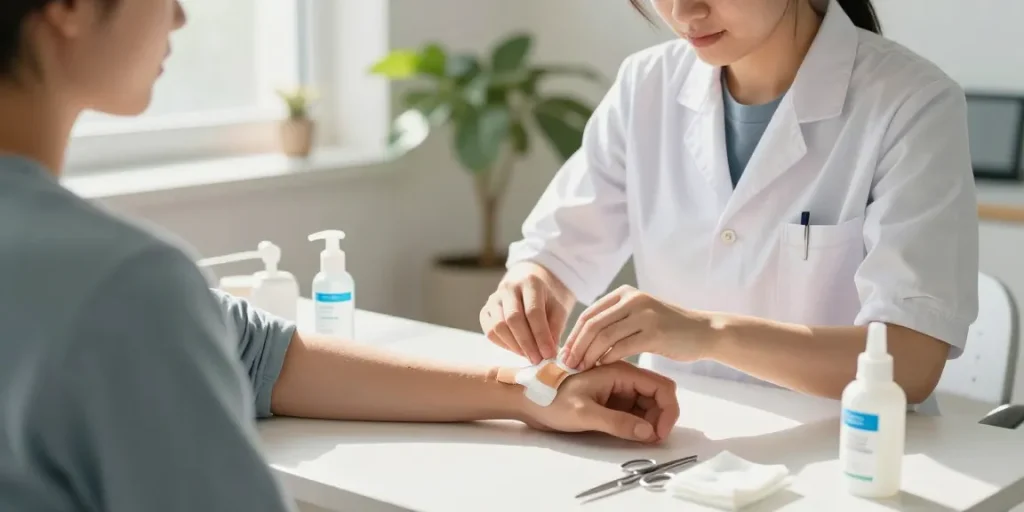
Understanding Bandage Adhesive
Bandage adhesives play a crucial role in wound care, enabling effective healing and protection. From everyday cuts and scrapes to more significant injuries, the right adhesive can make a difference in recovery times and the risk of infection. Understanding the various aspects of bandage adhesive is essential for choosing the best product for your needs. This guide will explore the intricacies of bandage adhesives, helping you navigate your options and optimize your wound care practices.
What is Bandage Adhesive?
Bandage adhesive refers to the glue or sticky substance used in various types of dressings to help them adhere to the skin and secure the bandage over a wound. These adhesives are meticulously formulated to provide different levels of stickiness, flexibility, and skin compatibility, catering to a wide range of health and lifestyle requirements. The primary purpose of a bandage adhesive is to keep the wound protected from external contaminants while allowing the healing process to occur efficiently.
Types of Bandage Adhesives
Understanding the different types of bandage adhesives can help you choose the most suitable one for your needs:
- Hydrocolloid Adhesives: These are moisture-retentive dressings that promote healing by providing a moist environment. They are ideal for wounds with moderate exudate.
- Transparent Film Dressings: These dressings are thin, flexible, and waterproof, making them suitable for areas requiring visibility for monitoring the wound.
- Foam Adhesives: They offer cushioning and are great for providing protection in high-friction areas. They absorb exudate and help in maintaining a moist healing environment.
- Elastic Adhesives: These conform well to the skin and are suitable for joints and areas requiring flexibility, such as the elbows and knees.
- Silicone Adhesives: Known for their gentle and low-trauma removal properties, silicone adhesives are ideal for sensitive skin and fragile wounds.
How Bandage Adhesive Works
Bandage adhesives work through a combination of physical and chemical principles. They create a bond between the dressing and the skin while maintaining an environment conducive to healing. The adhesive must be strong enough to hold the bandage in place; however, it should also allow for natural movement and not irritate the skin. Various factors, such as moisture, pH, and the presence of oils, can influence the performance of adhesives.
Choosing the Right Bandage Adhesive
Selecting the appropriate bandage adhesive is crucial for effective wound care. With so many options available, it is essential to consider various factors that affect the performance and suitability of a bandage adhesive for specific wounds.
Factors to Consider When Selecting
When choosing a bandage adhesive, consider the following factors:
- Type of Wound: Assess whether the wound is dry, moist, or has exudate. Different adhesives cater to distinct wound conditions.
- Skin Sensitivity: If the patient has sensitive skin or allergies, opt for hypoallergenic options.
- Location of the Wound: Certain areas of the body may require more flexible or durable adhesives due to movement or friction.
- Duration of Use: Determine how long the bandage needs to stay in place. Longer wear times may require a more durable adhesive.
How to Match Adhesive to Wound Type
Matching the adhesive to the wound type can significantly enhance healing. For example:
- For wounds with heavy exudate, select a hydrocolloid or foam adhesive to absorb moisture.
- Use transparent film dressings for minor abrasions to allow for visibility while protecting the area.
- Foam adhesives are ideal for deep wounds that require cushioning and moisture management.
- For surgical wounds or sensitive skin, consider silicone adhesives for gentle application and removal.
Common Mistakes to Avoid
While selecting bandage adhesives, avoid these common mistakes:
- Ignoring Skin Sensitivity: Not considering skin allergies can lead to irritation and complications.
- Choosing the Wrong Type: Using a bandage that does not suit the wound’s requirements can prolong healing or cause infection.
- Neglecting Hygiene: Failing to clean the wound properly before applying the adhesive increases the risk of infection.
Application Techniques for Bandage Adhesive
Applying bandage adhesive correctly is as important as choosing the right type. Proper techniques can maximize the effectiveness of the adhesive and ensure the wound remains protected.
Step-by-Step Application Guide
- Prep the Wound: Clean the area with mild soap and water or a suitable antiseptic. Gently pat it dry.
- Choose the Right Bandage: Select an adhesive that matches the wound type.
- Apply the Adhesive: Follow the manufacturer’s guidelines for application. Ensure it adheres firmly to the skin without wrinkles.
- Seal the Edges: Ensure the edges are securely adhered to prevent moisture entry.
- Monitor Regularly: Check the bandage periodically for any signs of leakage or irritation.
Do’s and Don’ts of Adhesive Application
Here are some important do’s and don’ts when applying bandage adhesive:
- Do: Use clean hands or gloves during application.
- Do: Ensure the wound area is completely dry before application.
- Don’t: Apply directly over infected or heavily oozing wounds.
- Don’t: Use expired adhesive products, as they may not work effectively.
Enhancing Adhesive Effectiveness
To enhance the effectiveness of bandage adhesives, consider these tips:
- Use skin prep solutions to improve adhesion.
- Trim excess hair in the application area to ensure a smooth surface.
- Apply pressure on the bandage after application to ensure it sticks well.
- Keep the bandage clean and dry during wear.
Bandage Adhesive in Sports and Active Lifestyles
For athletes and those with active lifestyles, bandage adhesives are more than just first aid supplies; they are essential tools for injury prevention and recovery.
Benefits for Athletes
Bandage adhesives offer numerous benefits for athletes, including:
- Protection: They shield cuts and abrasions from dirt and bacteria during physical activities.
- Support: Adhesives can provide added support to strained muscles or joints.
- Comfort: Many modern adhesives are designed to be flexible and breathable, allowing for freedom of movement.
Preventing Injuries with Bandage Adhesives
Using bandage adhesives effectively can help prevent injuries in several ways:
- Applying protective layers over vulnerable areas reduces the chance of skin tears and blisters.
- Using elastic bandages can offer support to joints during high-impact activities.
- Quickly addressing minor injuries can prevent them from worsening, allowing athletes to remain active.
Case Studies: Athletes’ Experiences
Many athletes have reported positive experiences with bandage adhesives:
- A marathon runner used silicone adhesive bandages to protect her feet, preventing blisters during training sessions.
- A professional soccer player credited foam adhesives for reducing the impact of grass burns during matches.
- A cyclist noted that using transparent film dressings allowed for better monitoring of his knee injuries while continuing to ride.
Future Trends in Bandage Adhesive Technology
As we move towards 2026, advancements in bandage adhesive technology are set to revolutionize wound care.
Innovations to Watch for in 2026
Expect to see innovations such as:
- Smart Bandages: Bandages that incorporate sensors to monitor wound conditions and deliver medication as needed.
- Biodegradable Adhesives: Eco-friendly options that minimize environmental impact while still providing effective wound care.
- Enhanced Adhesion Technologies: New formulations that improve adhesion without compromising skin health.
Evolving Health Standards
Health standards are evolving to focus on patient comfort and safety, leading to increased demand for:
- Hypoallergenic materials that reduce skin reactions.
- Research-driven adhesive formulas designed to accommodate varying skin types.
- Stricter regulations ensuring that all adhesive products meet safety and efficacy standards.
Expert Opinions on Future Developments
Healthcare professionals anticipate several developments in bandage adhesive technology:
- Surgeons are pushing for adhesives that facilitate quicker healing and minimal scarring.
- Dermatologists emphasize the need for products that protect sensitive skin while offering strong adhesion.
- Sports medicine experts are advocating for advanced adhesives that cater specifically to the demands of athletes.
What Common Questions Arise?
As you explore bandage adhesives, here are some common questions and answers:
Are All Bandage Adhesives Hypoallergenic?
No, not all bandage adhesives are hypoallergenic. It is critical to select adhesives specifically labeled as hypoallergenic if you have sensitive skin or known allergies.
How Long Can Bandage Adhesive Be Left On?
The duration a bandage adhesive can remain in place varies; however, it’s generally safe for 3 to 7 days, depending on the type and location of the wound. Always follow manufacturer guidelines.
What are the Risks of Using Expired Adhesives?
Using expired adhesives can lead to reduced effectiveness, increased skin irritation, or a higher risk of infection due to compromised sterile conditions.
How to Know When to Change Bandages?
Change bandages if they become wet, dirty, or show signs of loosening. Additionally, if the bandage has been in place for the recommended duration, it’s best to replace it to ensure optimal healing.
What are Alternative Products to Consider?
Some alternatives to traditional bandage adhesives include:
- Cohesive bandages, which adhere to themselves without adhesive, perfect for sensitive skin.
- Compression wraps that offer support while protecting injuries.
- Liquid bandages that form a protective layer over wounds, suitable for small cuts and scratches.



More Stories
How Long Does It Take to See Effective ABA Programming Results?
Effective Strategies for Optimal Health and Wellness