
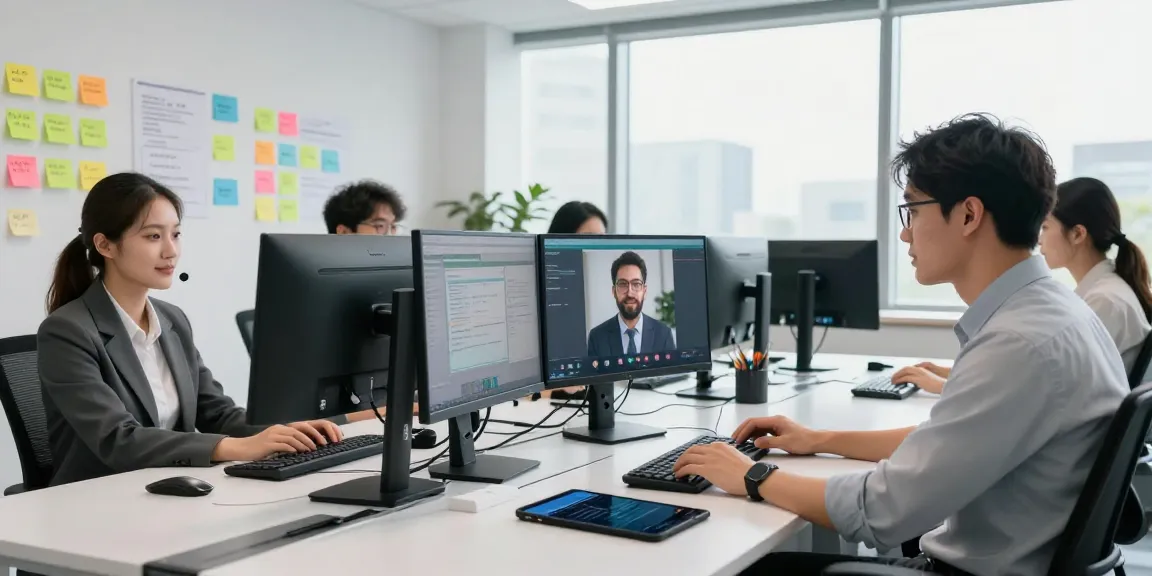
Understanding IT Support Services in London
In today’s increasingly digital world, having reliable IT support is critical for businesses of all sizes. Whether a start-up or a large enterprise, organizations depend on technology to operate efficiently and effectively. Consequently, choosing the right IT support service can significantly impact a company’s success. When exploring options, What is the best IT support company in London? is a common question among business leaders. This article will delve into the various aspects of IT support, helping you navigate the landscape to find a service that meets your needs.
What is IT Support?
IT support encompasses a range of services designed to help businesses maintain their technology infrastructure. This includes troubleshooting and resolving issues with hardware and software, managing networks, and ensuring cybersecurity. Effective IT support means reducing downtime, enhancing productivity, and ultimately driving business success. It can be provided in-house, outsourced to specialized firms, or a combination of both.
Types of IT Support Packages
There are several types of IT support packages available, tailored to fit various business needs:
- Essential IT Support: Ideal for small businesses needing basic helpdesk services and device monitoring.
- Professional RMM Support: Provides proactive monitoring and management of IT infrastructure through Remote Monitoring and Management (RMM) tools.
- Enterprise Managed IT: Comprehensive support for large organizations with complex needs, including compliance management and dedicated engineering resources.
Choosing the Right Support for Your Business
When selecting an IT support provider, it’s essential to consider factors like your company’s size, industry, and specific technology requirements. A good IT support service should be flexible and scalable, evolving alongside your business. For small enterprises, it may be beneficial to start with a basic plan and upgrade as your needs grow. Understanding your budget and required service levels is crucial in making an informed choice.
What Makes the Best IT Support Company?
The best IT support companies share certain qualities that set them apart from the competition. These include experience, customer service, and a proactive approach to problem-solving.
Key Qualities to Look For
When evaluating IT support providers, consider the following attributes:
- Proven Track Record: Look for companies with a history of successfully managing IT needs similar to yours.
- Customizable Services: The ability to tailor support packages to specific requirements is essential.
- Transparent Pricing: Clear pricing structures help avoid unexpected costs and ensure you remain within budget.
Comparing Service Levels and SLAs
Service Level Agreements (SLAs) define the expected service standards and response times from your IT support provider. When comparing options, ensure you understand the specifics of each SLA, including response times, resolution times, and support availability. A reputable company should provide guarantees for critical issue response times, often under one hour.
Importance of Local Expertise
Having IT support providers who understand the local business environment can be a significant advantage. Local firms often offer faster response times, as they are familiar with the area and can deploy technicians quickly when on-site assistance is needed. Additionally, they may have insights into local compliance and regulatory requirements that can affect your business.
Proactive IT Support: A Game Changer for Businesses
Proactive IT support moves beyond reactive measures to anticipate and address issues before they arise. This approach can minimize disruptions and enhance operational efficiency significantly.
How Proactive Monitoring Works
Proactive monitoring involves using advanced technologies to continually assess your IT environment. By identifying potential problems early, IT support teams can implement solutions before they escalate into significant issues. This is often achieved through tools like RMM software, which provides real-time visibility into systems and alerts teams to anomalies.
Benefits of RMM Technology
Remote Monitoring and Management technology offers numerous advantages, including:
- Reduced Downtime: By addressing issues before they affect operations, businesses can maintain productivity.
- Increased Security: Regular updates and monitoring help protect against cyber threats and data breaches.
- Cost Efficiency: Proactive measures often reduce the total cost of IT management by avoiding expensive emergency fixes.
Real-World Success Stories in London
Many businesses in London have reaped the benefits of proactive IT support. For instance, a small marketing firm experienced frequent downtime due to outdated equipment and reactive support. After switching to a provider that offered RMM services, they found that their IT issues were resolved before they could impact client deadlines, significantly improving their operational reliability.
Evaluating Costs and Value of IT Support
Cost is a critical factor in choosing an IT support service, but it should not be the only consideration. Companies must evaluate the overall value provided by their IT support providers.
Understanding Pricing Structures
IT support pricing can vary significantly based on factors such as service level, number of users, and specific business needs. Common pricing structures include:
- Per User: Charged based on the number of employees requiring support, common for small to medium-sized businesses.
- Flat Rate: A fixed monthly fee covering a range of services, suitable for larger organizations with predictable needs.
- Tiered Pricing: Different levels of support at different price points, allowing businesses to choose a package that fits their requirements.
Hidden Costs to Watch For
It’s essential to be aware of potential hidden costs in IT support contracts. These might include fees for additional services, overages beyond your agreement, or costs associated with on-site visits. Make sure to read the fine print and ask potential providers about any fees you might incur.
How to Maximize Your IT Support Investment
To get the most out of your IT support investment, establish clear communication with your provider about your needs and expectations. Regularly review service performance metrics to ensure that the established SLAs are being met, and consider periodic assessments of your IT environment to identify areas for improvement.
Future Trends in IT Support for London Businesses
The landscape of IT support is continuously evolving, influenced by emerging technologies and changing business needs. Staying abreast of these trends can help businesses remain competitive.
Emerging Technologies Impacting IT Support
Technological advancements such as artificial intelligence (AI), machine learning, and automation are changing the way IT support operates. These technologies can enhance efficiency and streamline processes, allowing IT teams to focus on strategic initiatives rather than routine maintenance.
The Rise of Cybersecurity in IT Services
As cyber threats become more sophisticated, the demand for integrated cybersecurity measures within IT support packages is increasing. Businesses must prioritize dealing with security concerns, ensuring that their IT support providers offer comprehensive solutions that include robust cybersecurity practices.
Recommendations for Staying Ahead in 2026
To remain proactive, businesses should invest in emerging technologies that can enhance IT support services, commit to regular training for their IT staff, and collaborate closely with their IT support providers to ensure that they are aligned with the latest best practices and tools in the industry.
What are the benefits of proactive IT support?
Proactive IT support offers numerous benefits, including reduced downtime, enhanced security, and improved operational efficiency. By implementing monitoring solutions and addressing issues before they become problems, businesses can maintain a smoother workflow.
How to assess the responsiveness of IT support services?
Assessing the responsiveness of IT support services involves reviewing SLAs, evaluating response times for critical issues, and considering customer feedback. Additionally, testing the provider’s support channels (phone, chat, email) can give insights into their overall responsiveness.
Can IT support services scale with business growth?
Many IT support providers offer scalable solutions that adapt to the changing needs of growing businesses. This flexibility could be in the form of additional personnel, expanded service offerings, or upgraded technologies to accommodate increased demand.
What are the common misconceptions about IT support?
Common misconceptions include the belief that IT support is only necessary for large companies or that it is too expensive for small businesses. In reality, robust IT support is critical for organizations of all sizes to prevent downtime and data breaches.
What certifications should a top IT support company have?
A reputable IT support company should possess relevant certifications, such as ISO 27001 for information security management or Microsoft Certified Partner credentials. These certifications indicate a provider’s commitment to industry standards and best practices, ensuring quality service delivery.



More Stories
How Affordable Junk Removal Vancouver Can Change Your Home Decluttering Approach
Professionelle Umzugsunternehmen Hannover: Ihr Ultimativer Leitfaden für einen Stressfreien Umzug im Jahr 2026
Top Electrical Services Vancouver for Home and Business Needs